
Ear Eczema
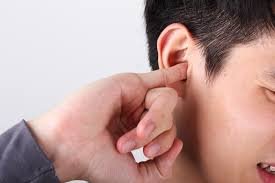
Dry, Itchy Ears….Could It Be Ear Eczema?
Dry, itchy ears are a very common complaint, and for many people the cause is ear eczema. While it can be uncomfortable and frustrating, the good news is that it’s usually very manageable with the right care. What Is Ear Eczema? Ear eczema is a type of skin inflammation that can affect the outer ear, the ear canal, the skin behind the ears. It’s often linked to conditions like atopic eczema, contact dermatitis, or seborrhoeic dermatitis, and it can come and go over time.
Common Symptoms People with ear eczema may notice:
Persistent itching (sometimes intense), dry, flaky, or scaly skin, redness or soreness, cracking or weeping skin, a feeling of fullness or irritation in the ear, wet ears, muffled hearing, repeated ear infections. Scratching can make symptoms worse and may lead to infection, so it’s important to treat the skin gently.
What Causes Dry, Itchy Ears?
Several factors can trigger or worsen ear eczema, including, sensitive skin or a history of eczema, allergies (to hair products, earrings, hearing aids, or earphones), over-cleaning the ears, frequent use of cotton buds, exposure to water, soap, or shampoo, stress or weather changes (especially cold, dry air
Why Cotton Buds Can Make Things Worse
It’s very tempting to scratch or clean itchy ears, but cotton buds can damage the delicate skin of the ear canal, push wax deeper into the ear, increase inflammation and itching, raise the risk of infection In most cases, ears do not need routine cleaning inside the canal.
How Is Ear Eczema Treated?
Treatment depends on severity, but often includes, moisturising creams or ointments to restore the skin barrier, medicated ear drops or creams, such as mild steroid preparations, to reduce inflammation. Avoiding triggers like certain products or excessive moisture. Treating any secondary infection if present It’s important not to use over-the-counter treatments in the ear without advice, as some products are not safe for the ear canal.
Self-Care Tips for Healthier Ears :
You can help manage symptoms by, keeping ears dry but not over-cleaned, avoiding cotton buds and scratching, using gentle, fragrance-free hair and skin products, removing earphones or hearing aids if they irritate the skin, applying only treatments recommended by a healthcare professional.
When Should You Seek Help?
You should seek medical advice if, itching or dryness doesn’t improve, you develop pain, swelling, discharge, or hearing changes, the skin becomes cracked or infected, symptoms keep returning despite treatment…we’re here to help!
Dry, itchy ears are extremely common, and you’re not alone. If you think you may have ear eczema, a proper assessment can help identify the cause and the most effective treatment—bringing relief and protecting your ear health.
If you think you have Ear Eczema we suggest using almond or vegetable oil instead of Olive oil to soften wax, as there is some researched evidence that Olive Oil can make your ears itchier.You can look up Ear eczema on the below link.