
Going on Holiday?
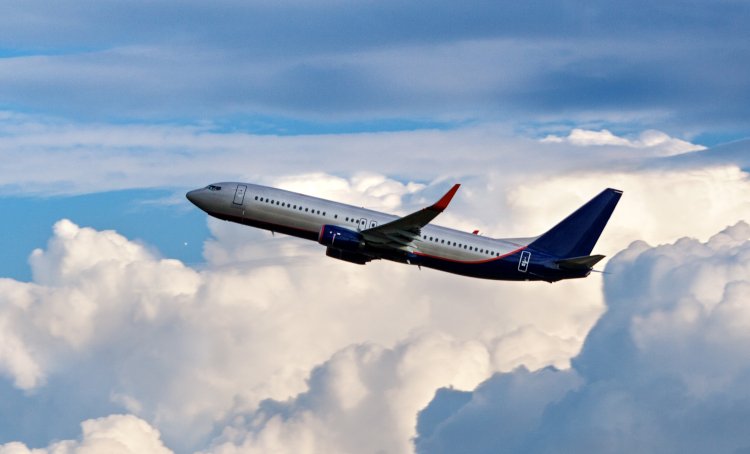
Flying can be an exciting way to travel, but changes in air pressure during a flight can sometimes affect the ears. Taking a few simple precautions can help keep ears comfortable before, during, and after a journey.
The most common ear problem during flying occurs during take-off and landing. As the aircraft changes altitude, the air pressure around the body changes quickly. The ears adjust to this through the Eustachian tubes, which connect the middle ear to the back of the nose and throat. When these tubes do not open easily, pressure can build up, causing a feeling of fullness, popping, or temporary muffled hearing.
There are several easy ways to help the ears equalise pressure. Swallowing, yawning, or chewing gum encourages the Eustachian tubes to open. Some people find that gently blowing while pinching the nose and keeping the mouth closed can also help balance pressure in the ears. Drinking water and staying hydrated during the flight can also be beneficial.
For people who have a cold, sinus infection, or allergies, flying may feel more uncomfortable because the airways are already inflamed. Using a saline nasal spray before the flight or speaking with a pharmacist about suitable treatments may help reduce congestion.
Parents often find that babies and young children experience ear pressure as well. Feeding, offering a drink, or using a pacifier during take-off and landing can encourage swallowing and ease discomfort.
By preparing ahead and using these simple techniques, most people can reduce ear pressure and enjoy a much more comfortable flight. ✈️👂